
MDG
Molecular Design Group
Dublin City University
Group Members
Quick Navigation
Current Members
Darren Fayne
Darren Fayne
Principal Investigator
Background
Darren holds an honours degree in Applied Chemistry and PhD in computational and organic chemistry from Dublin City University. He has an M.Ed. in Higher Education from Trinity College Dublin. He worked for two years at Solvay Pharmaceuticals in Hannover, Germany as a molecular designer from March 2003. While with the Computer-Aided Drug Design Group he focused on two main therapeutic areas of research: cardiovascular disease and gastroenterology (IBS/IBD). In July 2005 Darren joined the Molecular Design Group in Trinity College Dublin as a Senior Research Fellow. In January 2024 Darren started a permanent position as an Assistant Professor (above bar) in Computational Chemistry in DCU.
Research Projects
Darren has lead a number of successful small molecule hit-finding research programmes against various protein targets including – androgen receptor (AR), farnesoid X receptor (FXR), peroxisome proliferating activated receptor gamma (PPARγ), glucocorticoid receptor (GR), estrogen receptor α and β (ER), tubulin, caspase 6, macrophage migration inhibitory factor (MIF), toll-like receptor 4/myeloid differentiation 2 (TLR4/MD2), plasmepsins, IL-17, Viral infectivity factor (Vif), Lipoprotein signal peptidase (LspA), cytochrome P450, SARS-CoV-2 nsp3, SARS-CoV-2 nsp13, along with novel compounds demonstrating in vivo efficacy against malignant pleural mesothelioma, lung cancer and sepsis.
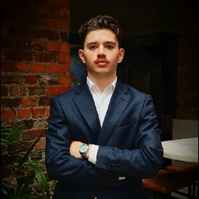
Paul Clarke
Paul F.A. Clarke
2nd Year PhD Candidate in Cheminformatics
Background
Paul has completed a BSc n Chemistry at University College Dublin and Masters in Cheminformatics from Strasbourg University. Since then, he has pursued machine learning (ML) research in materials (photovoltaics, carbon capture) and small molecule drug design. His PhD pursuit was motivated by the lack of interpretability in today’s state-of-the-art of ML-based chemical modelling.
Research Projects
Paul is currently investigating the use of learning-automata algorithms for accurate, continuous and interpretable drug design pipelines. This project is in collaboration with the Centre of Artificial Intelligence Research (CAIR), University of Agder, Norway. He essentially aims to create as small an interface as possible between the patterns that exist in data and the research questions surrounding the field of drug design.
Personal Interests
I’ve tried my hand at everything from BJJ to yoga to bouldering (recent). When it comes down to it, the only thing that has stuck is sitting with a good book and a cup of coffee.
Funding Sources
Sparebanken Norge, Norway
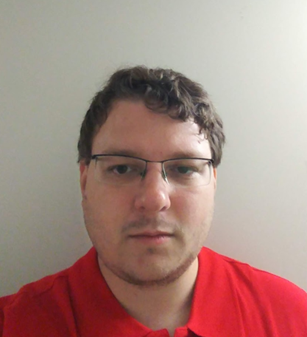
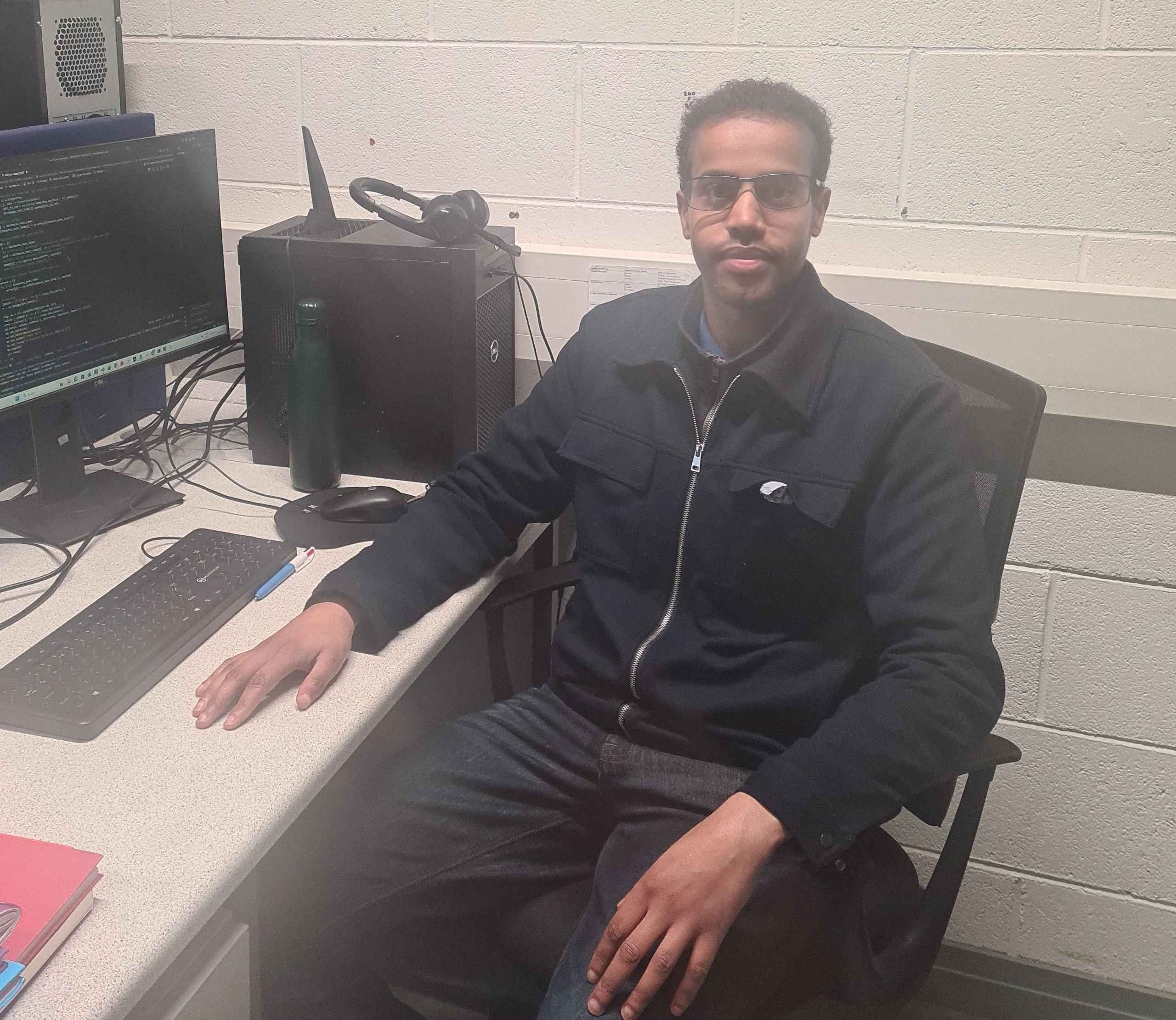
Abdirahman Ali
Abdirahman Ali
1st Year PhD Candidate
Background
Abdirahman Ali holds an Honours degree in Chemical and Pharmaceutical Sciences, having graduated from Dublin City University in 2022. Following his undergraduate studies, he worked for two years as a chemist at Astellas Pharma Inc., where he gained extensive hands-on experience with key laboratory instrumentation and analytical techniques, including HPLC, Gas chromatography, UV-Vis spectroscopy, IR spectroscopy, and Karl Fischer titration.
Research Project
Motivated by a long-standing passion for computational chemistry, Abdirahman returned to academia and is currently pursuing a PhD under the supervision of Dr. Darren Fayne at Dublin City University. His doctoral research focuses with aid of computational drug design the investigation of potential small-molecule inhibitors targeting the androgen receptor (AR), a key protein implicated in the progression of prostate cancer.
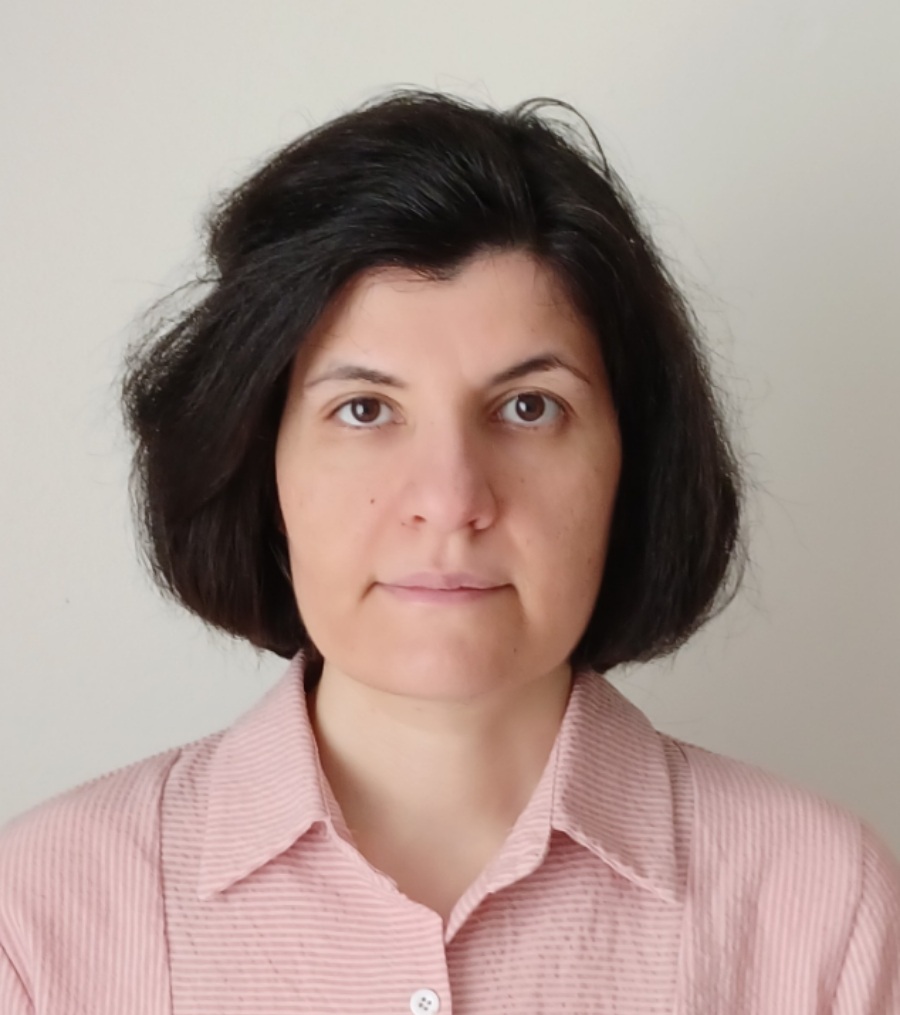
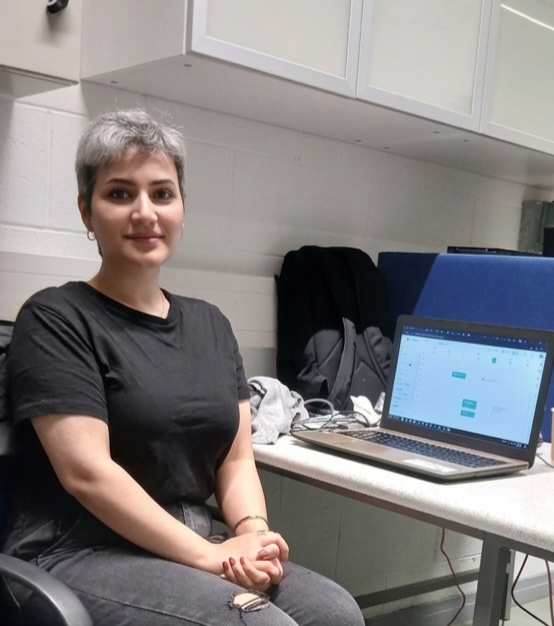
Farzaneh Toupkanlou
Farzaneh M. Toupkanlou
1st Year PhD Candidate in Computational Chemistry
Background
Farzaneh is a computational drug discovery researcher with 10+ years of experience in computer-aided drug discovery. She is currently a PhD student in Theoretical and Computational Chemistry at DCU. She holds two Masters degrees in Nanobiotechnology from Université Grenoble Alpes and Chemical Engineering from Tarbiat Modares University. Her work focuses on cheminformatics, structure and ligand-based drug design, and AI-driven in silico pipeline development for early-stage drug discovery.
Research Projects
Farzaneh has contributed to projects in computational drug discovery, medicinal chemistry, nanobiotechnology, and tissue engineering. Her recent work includes designing in silico pipelines for dual inhibitor discovery and identifying inhibitors for colorectal cancer. She has also contributed to the development of cheminformatics tools for compound screening, including projects such as Cheminocode and DrugLikeRF.
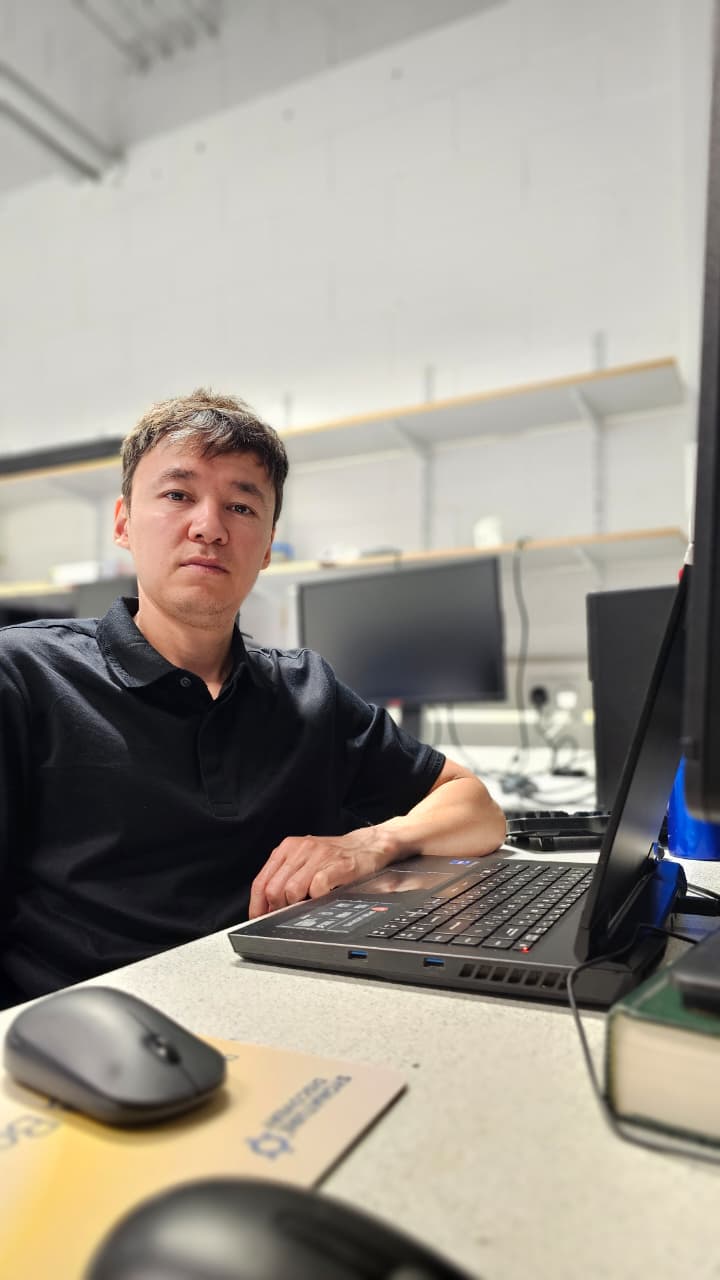
Gediminas Gumbis
Gediminas Gumbis
Visiting Researcher
Background
Gediminas is a University of Edinburgh graduate with a BSc in Biological Sciences (Biochemistry) and a current medical student at Vilnius University, Lithuania. He has experience working with molecular dynamics (MD) simulations, molecular docking, and semi-empirical quantum mechanics methods.
Research Project
At MDG, Gediminas focuses on the application of Free Energy Perturbation (FEP) protocols. His work involves benchmarking FEP implementations across multiple software platforms and evaluating their performance against conventional molecular dynamics simulations.
Chao Chen
Chao Chen
Application Developer
Background
Chao obtained his bachelor's degree in a computer science-related field in China in 2009 and subsequently worked as a software engineer. Chao is currently employed as an application developer at Fiserv. In 2022, Chao began a part-time master's program at Dublin City University (DCU), and in 2024, he commenced his final project under the supervision of Assistant Professor Darren.
Research Project
Chao's research focuses on distributed graph algorithms, which are based on the principle of "thinking like a vertex." Currently, Chao is developing a distributed application for pharmacophore mapping, matching, and virtual screening.
Personal Interests
Chao is particularly interested in application of distributed graph processing, knowledge graphs, and graph neural networks.
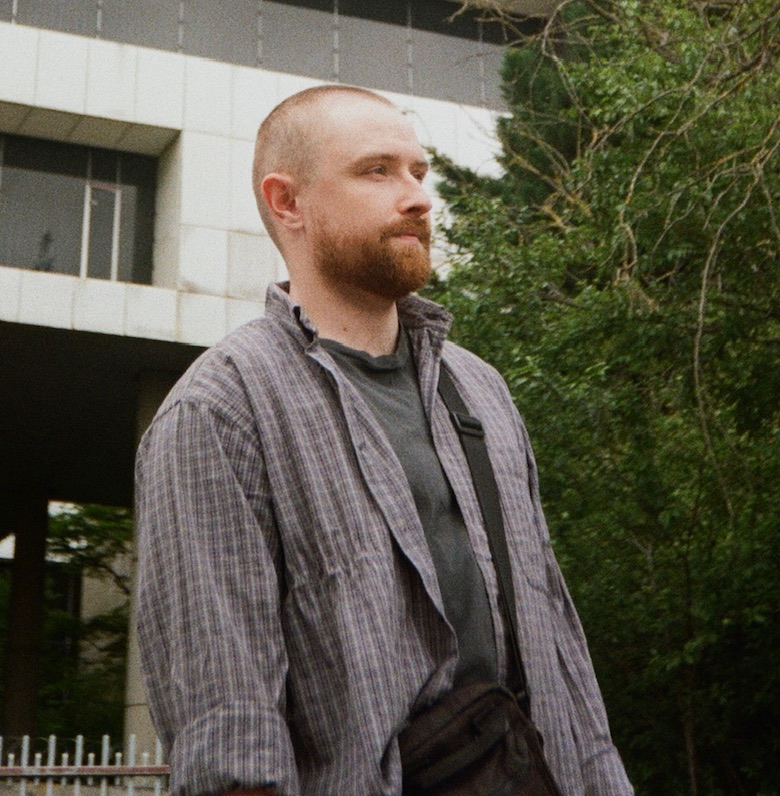
Kevin Callan
Kevin Callan
Visiting Researcher
Background

Kevin Callan is a data scientist and researcher at the intersection of machine learning and molecular design. He currently works as Principal Data Scientist & Associate Director at Optum, and serves as a Visiting Researcher at the Molecular Design Group in Dublin City University, with an interest in neurodegeneration and TDP-43 dysfunction.

Previously, Kevin spent seven years at Meta, where he worked on analytics and risk research across advertising and spam detection. He guest lectures in data science at Maynooth University and has experience spanning quantitative finance, computational biology, and real-time data infrastructure.

Kevin is currently working towards a MSc in Genomic Medicine at Trinity College Dublin and holds a MSc in Computing & Analytics from Dublin City University focusing on computer vision problems. Kevin’s undergrad was in economics and finance from Maynooth University.
Research Project
Kevin’s research in the MDG focuses on building software systems to discover small molecule drug targets with a particular focus on neurodegeneration.
Personal Interests
Outside of his research Kevin is an avid gardener, chess player and member of Straffan GAA.
Media
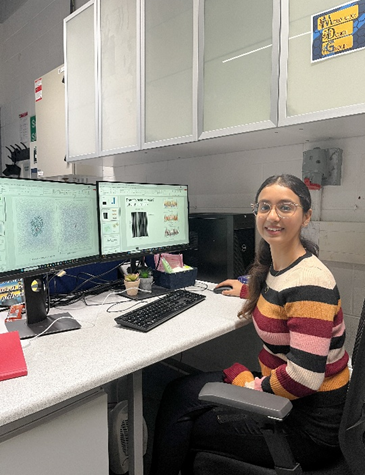
Swetha Sampathkumar
Swetha Sampathkumar
Master Project Student
Background
Swetha did her Bachelor of Technology in Bioinformatics at SASTRA Deemed University, India, where she built a strong foundation in CADD and gene expression data analysis. She secured the “Desh-Videsh Scholarship”, a competitive award from Sastra that took her to Ulster University, Northern Ireland, to complete her undergraduate thesis. There, she worked with nutritionally altered mouse models, blending her bioinformatics background with real wet-lab data and translational research, an experience that shaped her research interests and motivated her to go further. She is currently at Trinity College Dublin for her MSc in Molecular Medicine and joined MDG to pursue her thesis in CADD, an area she has been keen to go deeper in for a while.
Research Project
CHARGE syndrome is a rare, life-threatening condition in young children caused by the inactivation of CHD7 protein critical to embryonic development and currently has no targeted treatments. Swetha's project takes on that gap, using in-silico approaches to identify small molecule modulators that could potentially restore CHD7 activity and lay the computational groundwork for a future therapeutic strategy.
Personal Interests
Singing, listening to music, travelling
Media
Niamh Lenihan
Niamh Lenihan
Undergraduate Student Researcher
Background
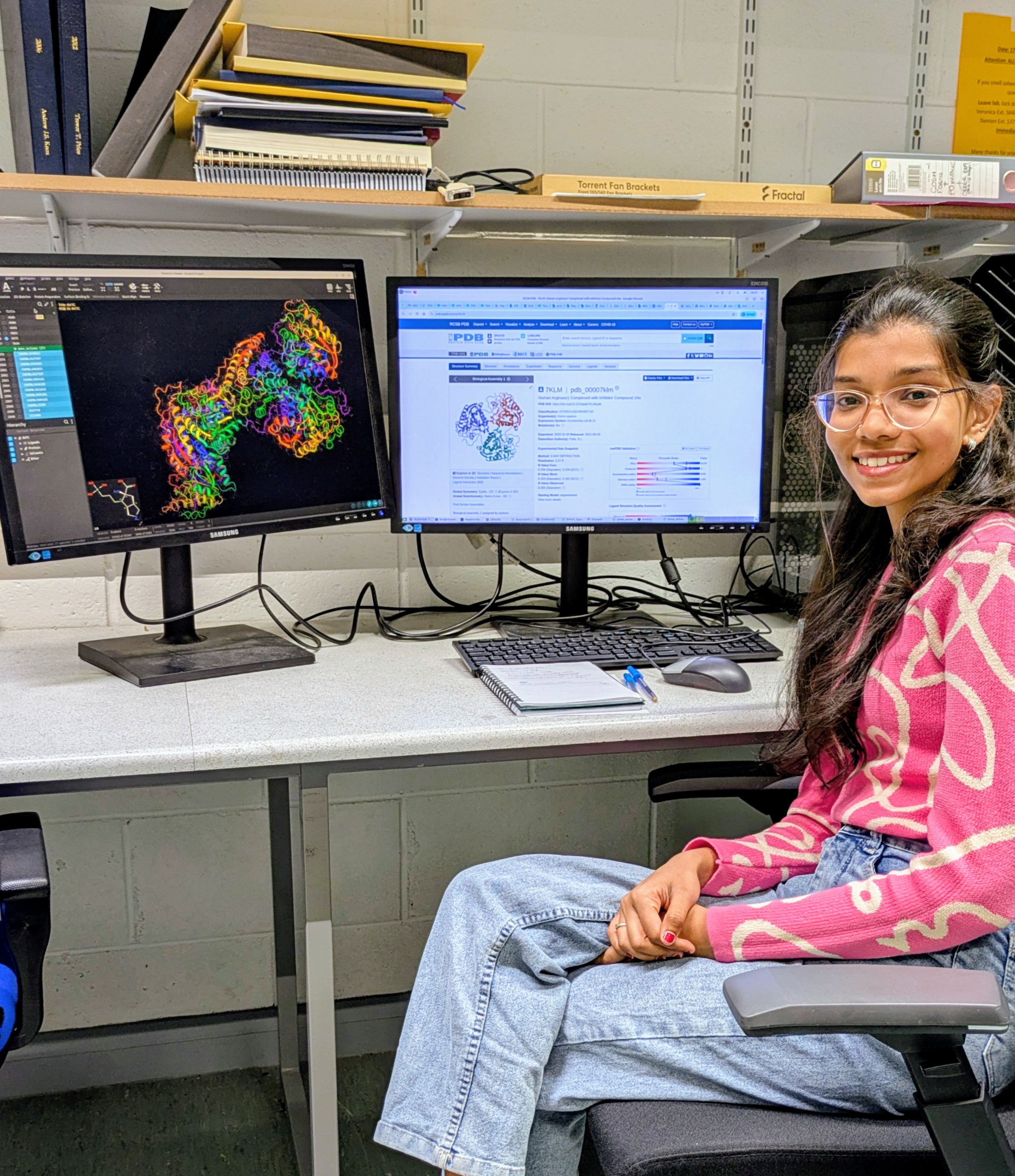
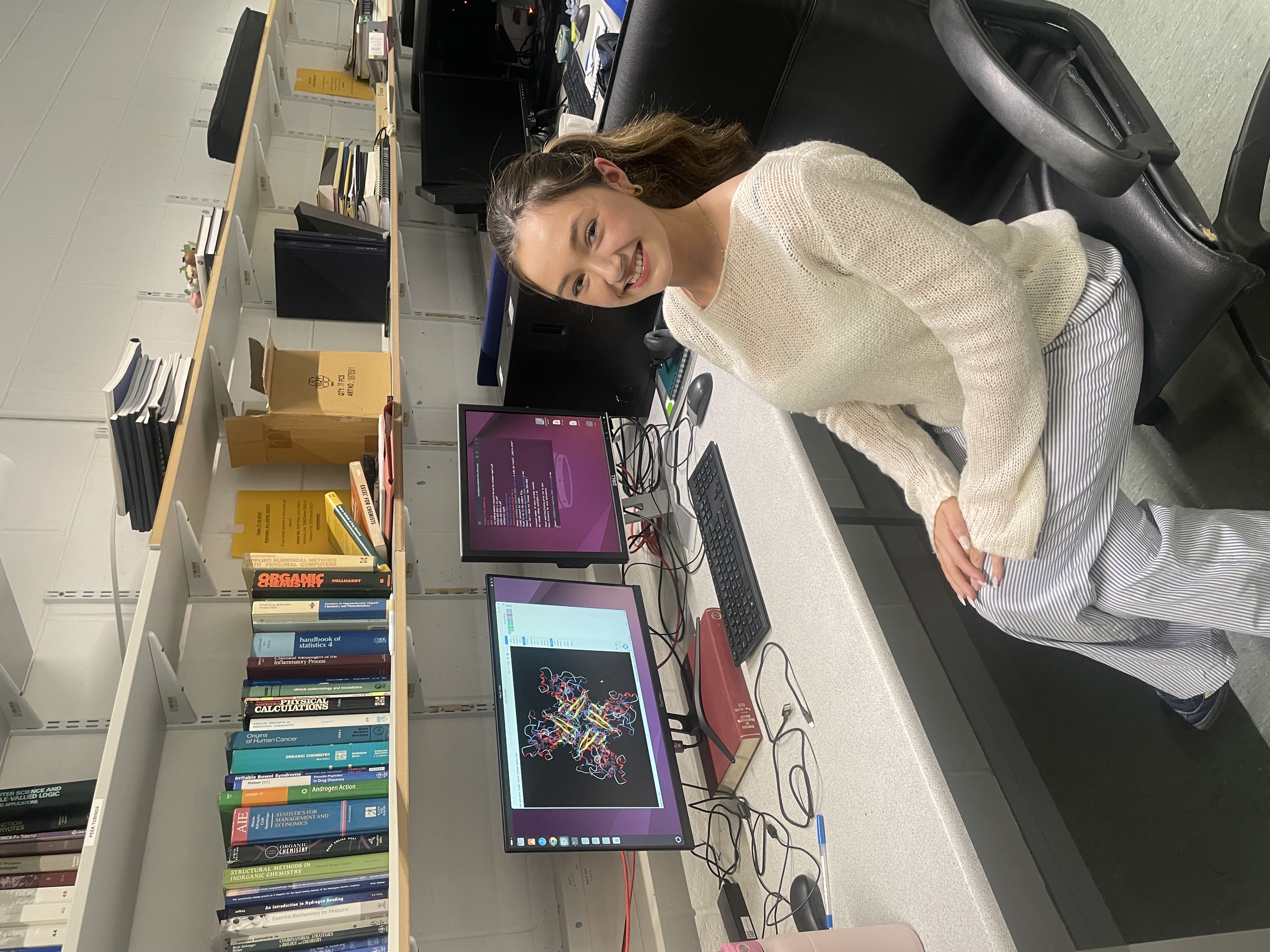
Niamh is a Third Year Chemistry with Molecular Modelling student at Trinity College Dublin. She is working in the MDG this summer to build experience in CADD. She is especially interested in computational chemistry, particularly at the intersection with medicinal and pharmaceutical chemistry.
Research Project
Niamh is currently working on a project in which she will develop selective-inhibitors for Kv1.1; a voltage-gated potassium channel found primarily in the nervous system. Inhibition of this channel is shown to alleviate the symptoms of Multiple Sclerosis.
Personal Interests
Niamh's hobbies include writing, makeup, fashion, art and fitness.
Media
Former Members
Ivan Čmelo
Ivan Čmelo
Postdoctoral Researcher
Background
Ivan holds a Master's degree in Informatics and Chemistry from the University of Chemistry and Technology Prague (UCT Prague), and a PhD in cheminformatics from the same university. His doctoral work focused on the computational exploration of chemical space, including the development of algorithms for structure generation. His work also extended into virtual screening and synthetic accessibility estimation. Ivan has held research positions at the Czech Institute of Molecular Genetics and at the Department of Informatics and Chemistry at UCT Prague, where he has contributed to cheminformatics, forensic/data analysis and IT infrastructure development.
Research Projects
Ivan has contributed to multiple research projects spanning cheminformatics, computational drug design and chemical forensics. For his PhD, he created and screened a million-compound virtual library of potential steroid receptor ligands. He also developed the Feature Interrelation Profiling methodology for estimating compound properties based on mutual information and Kullback-Leibler divergence patterns between compound structural features in different datasets.
Shubhangi Kandwal
Shubhangi Kandwal
4th-Year PhD Candidate in Biochemistry
Background
Shubhangi has completed bachelor's degree in pharmacy from Delhi Pharmaceutical Sciences and Research University, New Delhi, India, in 2019. She also graduated with M.Sc. degree in Molecular Medicine from Trinity College Dublin, Ireland, in 2020. During the master's degree, her thesis project, "Repurposing drugs for treatment of SARS-CoV-2 infection: computational design insights into mechanisms of action," was published as a research article in the Journal of Biomolecular Structure and Dynamics. In the year 2021, she was awarded the Government of Ireland Postgraduate Award by the Irish Research Council to pursue her PhD studies.
Research Project
Every virus present in nature has emerged from a common ancestral family. For example, viruses such as Zika, chikungunya, coronaviruses, the dengue virus, hepatitis viruses and more belong to a family of viruses called the Group-4 viruses. In my project, I have identified common features, i.e., common binding sites, that are present in related proteins among these viruses.
Personal Interests
Dancing, hiking, listening to music and travelling
Funding Sources
Irish Research Council (now known as Research Ireland) GOIPG/2021/954
Oisín Keating Mac Dermott
3rd Year INTRA Student
Background
Oisín is a 3rd Year Chemistry and Artificial Intelligence from Dublin. He is completing a research project with the Group as part of his course placement. Oisín has a background in emergency medical service and bartending.
Research Project
Oisín is currently developing two machine learning models to predict Distribution and Toxicity properties of small molecules as part of his work with the Molecular Design Group.
Personal Interests
Caving & Scuba diving
Media
Fearghal Twomey
Fearghal Twomey
3rd Year INTRA Student
Background
Fearghal is a 3rd Year Chemistry student completing a research project with the Group as part of his course placement.
Amr Elmahi
Amr Elmahi
Undergraduate Student Researcher/Intern
Background
I am a 2nd year undergraduate chemistry student visiting from Trinity College on a RISE placement. I have a strong interest in medicinal and pharmaceutical chemistry and aspire to work in the pharmaceutical industry.
Research Project
I am currently working on a project involving CADD (Computer Aided Drug Design) to design a dual inhibitor for TOP1 and PARP1 which would theoretically have anti-cancer properties.
Personal Interests
I have a keen interest in fitness and lift regularly and I am also interested in fashion and music.
Funding Sources
Royal Society of Chemistry/RISE
Media
Lucy Grogan
Lucy Grogan
4th Year Project Student
2026
Kosisochukwu Ibebugwu
4th Year Project Student
2026
Noor Fatima Shahzad
Noor Fatima Shahzad
4th Year Project Student
2026
Clodagh McCloskey
Clodagh McCloskey
4th Year Project Student
2026
Alex Pegeeva
Alex Pegeeva
4th Year Project Student
2024-25
Aoife O'Neill
Aoife O'Neill
4th Year Project Student
2024-25
Cian Loughlin
Cian Loughlin
4th Year Project Student
2024-25
Connor Barrett
Connor Barrett
4th Year Project Student
2024-25